

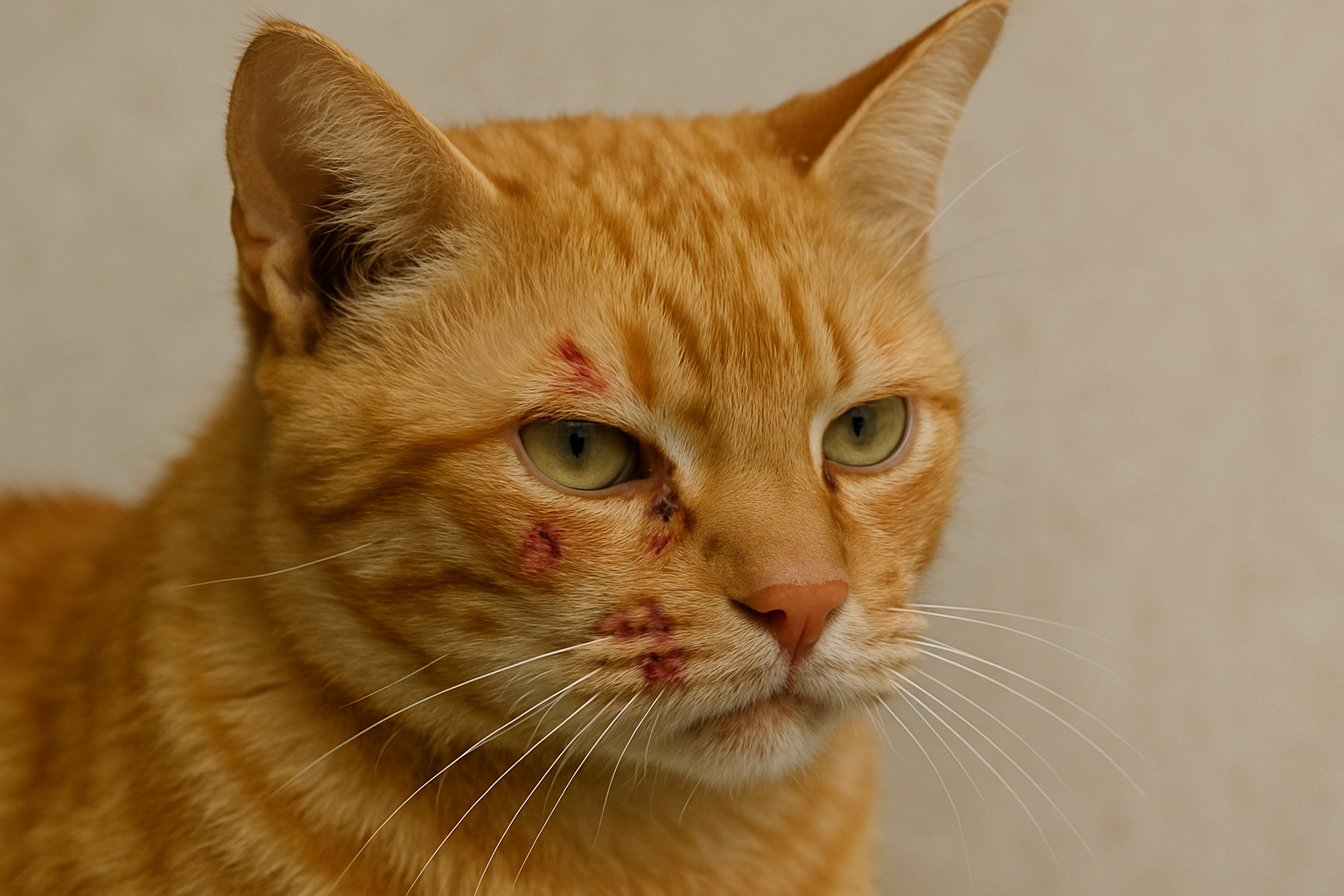
Finding a small scratch or cut on your cat can feel urgent. But honestly, you can handle a lot of minor wounds at home with the right steps.
Clean the area gently, use a simple antiseptic or vet-approved ointment, and do your best to keep the wound covered from dirt and your cat’s tongue. That’s usually enough to prevent infection.
This post will help you figure out if a wound is minor or something more serious. You’ll get tips on what supplies to keep around, how to clean up minor wounds, a few gentle home remedies, and ways to protect the spot while it heals.
Follow these step-by-step ideas so your cat stays comfortable, and so you know when it’s time to call the vet.
Assessing and Identifying Minor Cat Wounds
Check the wound’s size, depth, and location right away. Look for bleeding, swelling, any weird smells, and see if your cat’s eating, moving, and acting normally.
Types of Minor Cat Wounds
You’ll mostly see shallow scratches, small cuts, or surface abrasions. Scratches are those thin, shallow lines from claws.
Small cuts are short—under an inch long—and don’t gape open. Abrasions just scrape the top skin layer and look raw but not deep.
Bite punctures might seem small but can hide deeper damage, so approach those carefully. Superficial wounds on limbs, sides, or face are usually okay for home care if they’re not too deep or swollen.
Keep a basic kit handy so you can clean, dab on some antibiotic ointment, and cover the wound if you need to.
Recognizing Wounds Suitable for Home Care
You can treat many wounds at home if bleeding is light and stops in a few minutes with gentle pressure. Home care works if the wound is shallow, under an inch, with no exposed tissue or bone, and not much swelling.
Your cat should still act alert, eat, and move around normally. Clean the area with saline or mild soap and water.
Put on a thin layer of vet-approved antibiotic ointment. Cover with sterile gauze if your cat won’t rip it off, and use an Elizabethan collar if you have to.
Check the wound every day for more redness, discharge, odor, or swelling.
Signs an Injury Needs a Veterinarian
Take your cat to the vet if the wound is deep, longer than an inch, or keeps bleeding after 10 minutes of firm pressure. Puncture wounds, wounds that show bone or muscle, or any with thick pus or a nasty smell need professional care.
If your cat stops eating, gets super lethargic, runs a high fever, or limps badly, get help. Bites, wounds from fights, or ones exposed to dirt or chemicals usually need antibiotics or stitches.
Not sure? Call your vet. Better safe than sorry.
First Aid Essentials for Minor Cat Wounds
You’ll want to know how to stop bleeding, clean wounds safely, and have a basic kit ready. Use gentle hands and stick to the right supplies to avoid harming tissue or causing infection.
Stopping Bleeding Safely
Press firmly with a clean gauze pad or towel right on the wound for 3–5 minutes. Try not to peek—constant pressure helps the blood clot and keeps things from starting up again.
If blood soaks through, just add another layer instead of pulling the first one off. For paw or leg wounds, gently lift the limb if your cat lets you.
If bleeding doesn’t stop after 10 minutes, get ready to head to the vet. That’s an emergency.
Use styptic powder only for tiny nail or surface cuts, and follow the directions. Never use a tourniquet on cats—it’s way too risky. Talk softly and move slow so your cat stays calm.
Cleaning the Wound Properly
Trim the fur around the wound if your cat’s chill about it; use blunt scissors or a clipper so you don’t nick the skin. Rinse with lukewarm sterile saline or a diluted antiseptic solution (povidone-iodine diluted to weak tea color or low-strength chlorhexidine).
Use a syringe or gentle stream to flush away dirt for a couple minutes. Dab the wound with sterile gauze—don’t rub—working from the middle out.
After cleaning, apply a thin layer of vet-approved antibacterial ointment if needed. Watch for infection: more redness, swelling, yellow/green gunk, or bad odor. If you see that, call your vet.
Skip hydrogen peroxide or alcohol—they’ll just hurt healthy tissue and slow healing.
Preparing a Simple Feline First Aid Kit
Keep your supplies in a tough, labeled box you can grab fast. Include sterile saline, diluted povidone-iodine or chlorhexidine, non-stick gauze pads, gauze rolls, self-adhesive wrap, tape, clean towels, blunt scissors, gloves, and a syringe for rinsing.
Throw in a digital thermometer and styptic powder for little bleeds. Write down your vet’s number and toss in a flashlight.
Check your kit every six months and swap out anything expired. Keep it somewhere handy, and practice using the stuff so you’re not fumbling during an emergency.
Cleaning and Disinfecting the Wound
You’ll want to get rid of dirt and debris, stop bleeding, and avoid infection. Work quickly but don’t rush, use clean supplies, and skip harsh chemicals.
Using Saline Solution
Saline rinses loosen dirt and flush out little bits without stinging. Buy sterile saline at the pharmacy, or in a pinch, dissolve 2 teaspoons of salt in a liter of boiled, cooled water. Homemade saline isn’t sterile, so only use it if you must.
Hold your cat gently, or ask for help. Pour saline over the wound with a syringe or cup, letting it flow across and carry away debris.
Repeat until the fluid runs clear. Pat dry with a clean gauze pad.
Don’t scrub. If bleeding keeps going or you spot deep tissue, stop and call your vet.
Diluted Antiseptic Solutions
Use mild, diluted antiseptics to keep bacteria down without hurting skin. Chlorhexidine at 0.05% (mix 1 part 2% with 39 parts water) is a safe bet. Povidone-iodine diluted to a pale tea color (about 1:10 with water) works too.
Skip full-strength stuff or straight hydrogen peroxide—they’ll slow healing. Dab the diluted antiseptic on with gauze or a cotton ball, working outward from the cleanest spot.
Wait 30–60 seconds, then rinse with saline if needed. Use antiseptic once or twice a day until the wound looks pink and healthy.
If your cat reacts with pain, swelling, or a bad smell, stop and call your vet.
Safe Cleaning Techniques
Gather your gear: sterile saline, diluted antiseptic, non-stick gauze, gloves, and tweezers cleaned with alcohol. Work in a quiet, well-lit spot, and get someone to help hold your cat if you can.
Trim fur only if your cat’s okay with it. Be careful with the scissors. Use tweezers to pull out any obvious debris after rinsing; if it’s stuck or deep, leave it for the vet.
Go step by step: rinse with saline, dab on diluted antiseptic, pat dry. If you need to bandage, use non-stick gauze and light tape, and change it daily.
If you see redness, swelling, pus, pain, or fever, call the vet. Don’t try to tough it out.
Natural Home Remedies for Cat Wounds
You can try a few safe, natural treatments for minor cuts, scrapes, and skin irritations. Just stick to clear steps for cleaning, applying the remedy, and watching for warning signs.
Manuka Honey Application
Manuka honey’s got some real antibacterial punch for small, clean wounds. Only use medical-grade Manuka honey (look for UMF or MGO on the label). Don’t grab regular grocery honey.
Clean the wound first with sterile saline or boiled, cooled water. Pat it dry with clean gauze.
Spread a thin layer of Manuka honey over the wound and just past the edges. Cover with a nonstick pad and a light bandage to keep the honey on and stop licking.
Change the dressing once or twice a day. Each time, rinse with saline and put on fresh honey.
If you see more redness, swelling, pus, a bad smell, or your cat gets lethargic or stops eating, stop and call your vet. Don’t use honey on deep punctures, heavy bleeding, or diabetic cats unless your vet says so.
Aloe Vera for Soothing and Healing
Pure, food-grade aloe vera gel can help soothe minor burns, scratches, or irritated skin. Check the ingredients—avoid products with alcohol, fragrances, or essential oils.
Trim fur around the wound so the gel stays on. Clean with saline, then spread a thin layer of aloe gel.
Let it dry naturally; skip the bandage if your cat licks it right off. Reapply up to twice a day for a few days.
If you see more redness or swelling, stop and ask your vet. Don’t use aloe on deep wounds or surgical sites unless your vet gives the okay.
Calendula and Herbal Treatments
Calendula (marigold) has mild antiseptic and anti-inflammatory effects—handy for small cuts and rashes. Use a store-bought calendula ointment or a diluted tincture as directed.
After cleaning with saline, dab a thin layer of calendula ointment around the wound, not deep inside. Apply once or twice a day, and use a cone if your cat tries to lick it off.
You can try other gentle herbal products labeled safe for cats, but double-check ingredients. Lots of herbs and essential oils are toxic to cats.
If things get worse, there’s discharge, or your cat seems in pain, stop and get professional help.
Protecting the Wound and Preventing Licking
Keep the wound covered, clean, and out of your cat’s reach. Use a fitted collar or a snug bandage so your cat can’t lick, chew, or mess up the healing spot.
Using an Elizabethan Collar
An Elizabethan collar (plastic or soft) blocks your cat from twisting around to reach a wound. Measure your cat’s neck and head so the collar sticks out past the nose by at least the length of your cat’s head.
That way, your cat can’t bend enough to lick the area. Check the collar often to make sure it’s not rubbing or causing chafing.
Fasten it snugly but not too tight—you should be able to slip two fingers between the collar and your cat’s neck. If your cat freaks out, offer short supervised breaks, but keep the collar on whenever you’re not watching.
Bandaging Tips and Alternatives
Before you bandage, clean and dry the wound. Place sterile gauze on the area, then gently wrap with self-adhesive vet wrap.
Leave your cat’s toes uncovered and don’t wrap too tightly; you should be able to slip one finger under the bandage. Change the dressings every day or sooner if they get wet or dirty.
If the collar stresses your cat out, try a recovery suit or a soft fabric collar instead. You can also use bitter-tasting sprays made for pets to deter licking, but always test a small skin patch first and avoid using them near eyes or deep wounds.
The Importance of the Cone of Shame
The so-called cone of shame (Elizabethan collar) keeps saliva, dirt, and bacteria away from wounds. Since saliva carries bacteria that can slow healing or cause infection, stopping your cat from licking really does help the wound heal faster.
Keep the cone on until the wound closes and scabs fall off—this usually takes several days to two weeks, depending on the injury. If your cat keeps removing the cone or the wound looks red, swollen, or starts oozing, reach out to your vet right away.
Aftercare and Monitoring Progress
Keep the wound clean and stop your cat from licking. Check the area every day for swelling, discharge, or changes in behavior.
Use a clean bandage if you need one, and try to limit your cat’s activity. Watch for anything that might mean it’s time for a vet visit.
Signs of Infection During Healing
Watch for increasing redness, heat, or swelling. Some pinkness is normal at first, but if redness spreads or the area feels hot, infection might be starting.
Check for discharge that’s white, yellow, green, or smells bad. A little clear or slightly bloody fluid right after cleaning can be normal, but pus or thick, colored drainage is a problem.
Pay attention to your cat’s behavior. Limping, hiding, not eating, or acting more painful than before could mean the wound isn’t healing well.
Also, check for fever by feeling your cat’s ears and nose. If your cat feels unusually warm, infection might be brewing.
How to Encourage Faster Recovery
Clean the wound twice a day with sterile saline, and gently pat it dry with clean gauze. If your vet says it’s okay, use a thin layer of vet-approved antibiotic ointment, and swap out bandages daily or when they get damp.
Use an Elizabethan collar or soft recovery cone to stop licking and chewing. Limit active play, jumping, and outdoor time for at least 7–10 days or until you see steady improvement.
Feed your cat a balanced diet and make sure there’s always water around. If your vet prescribed pain meds or antibiotics, finish the full course—don’t stop early.
Take daily photos to track changes. Sometimes it’s hard to notice small improvements (or setbacks) without a visual record.
When to Seek Veterinary Help Again
Go back to the vet if the wound shows worsening signs after 24–48 hours of home care. Don’t wait if you notice heavy bleeding, exposed muscle or bone, or your cat suddenly becomes very weak or won’t eat.
Watch for persistent or increasing discharge, spreading redness, sudden swelling, or a bad smell. If your cat keeps removing the bandage or collar, or if the wound opens up again, reach out to your vet.
If the wound came from a bite, a deep puncture, or a fight, check in with your vet even if it looks okay. Sometimes those injuries hide infection under the skin, and your cat might need antibiotics or extra care.
