

If your cat seems uncomfortable, visits the litter box less, or strains without much to show, you might want to try some simple, safe home steps first. More fluids, wet food, gentle fiber, or short-term vet-approved laxatives can often soften stool and get things moving.
Start with hydration and diet changes, but keep an eye out for signs that need urgent vet care, like vomiting, severe pain, or if your cat hasn’t had a bowel movement for over 48 hours.
You can take practical actions at home right away: boost water intake, try foods and fiber options that help, and tweak your cat’s routine or litter box setup. The next sections break down why constipation happens, which home treatments are safe, and when you really need to call your vet.
Understanding Cat Constipation
Cats with constipation often strain, pass small hard pellets, and might stop eating or grooming. If you watch your cat’s litter box habits, stool shape, and energy or appetite, you’ll spot problems sooner.
What Is Cat Constipation
Cat constipation means your cat struggles to pass stool or goes way less often than usual. A healthy adult usually defecates every 24–48 hours, so longer gaps or very hard, dry stools are a red flag.
Constipation can be mild—just infrequent, firm stools—or severe, like no stool for days and painful straining. Chronic cases make the colon fill up with compacted feces, which just makes things worse next time.
When waste sits too long in the colon, the body pulls out extra water and the stool dries out. That makes passing stool painful, and your cat might start vomiting, lose their appetite, or act really tired if you don’t step in.
Typical Cat Constipation Symptoms
Look for repeated straining in the litter box with little or no stool coming out. Some cats cry, hunch, or linger in the box without success.
Check stool size and texture—small, pebble-like, or rock-hard stools are common. You might also notice less grooming, reduced appetite, and less activity.
Other signs can be vomiting, weight loss, or a sensitive belly when you touch it. If your cat avoids the litter box or you see bloody stool, get to the vet right away.
Key Causes of Cat Constipation
Dehydration and dry food top the list—cats on dry diets or those who don’t drink enough water get harder stools. More wet food or water can help.
Age and mobility matter too. Senior or overweight cats that move less often have slower guts and weaker bowel muscles. Medications, diseases like kidney issues or hyperthyroidism, and injuries around the pelvis or spine can also cause constipation.
Stress, routine changes, or a dirty/awkward litter box can slow things down. Hairballs and swallowed stuff that blocks the gut are another cause—and those need fast attention.
Initial Home Treatments for Constipated Cats
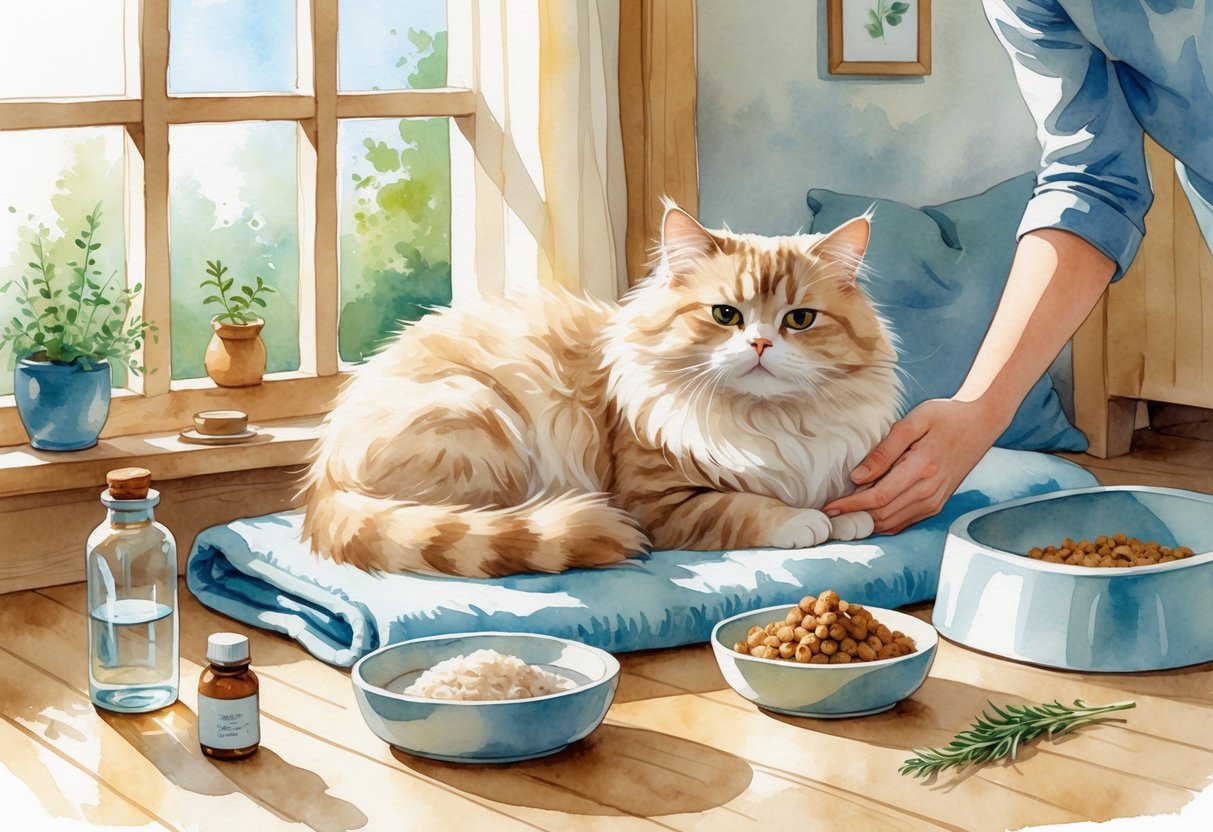
You can try a few safe steps at home to ease mild constipation and help your cat pass stool. Focus on hydration, diet tweaks, and gentle grooming, but keep an eye out for warning signs that mean it’s time for the vet.
When to Try Home Remedies
Go for home remedies if your cat hasn’t pooped for 24–48 hours but is still eating, active, and not vomiting. Try switching to canned wet food or adding plain canned pumpkin (not pie filling) to meals for more fiber and moisture.
Offer fresh water and put a few bowls or a pet fountain in spots your cat likes. For a small cat, you can add up to 1/2 teaspoon of pumpkin per meal, or 1 teaspoon for a larger cat.
Brush long-haired cats daily to cut down on hairballs. Use a soft, warm compress on the belly for a few minutes to relax muscles, but don’t press hard.
Thinking about over-the-counter laxatives or oils like olive or fish oil? Call your vet first for dosing and safety.
Recognizing When to Call the Vet
Call your vet right away if your cat strains with no stool, vomits, hides, or shows pain. Also, seek urgent care if you spot blood in the stool, a hard swollen belly, or if your cat stops eating for more than a day.
If you try home remedies and nothing changes after 24–48 hours, or if your cat gets weaker or more lethargic, get the vet involved. The vet might run some tests, take X-rays, or give fluids, enemas, or prescription meds to fix it safely.
Boosting Hydration for Fast Relief
Hydration softens stool and helps things move along. A few practical changes to how your cat drinks or eats can make a noticeable difference in just a day or two.
Encouraging Cat Water Intake
Place at least two water bowls in quiet, easy-to-reach spots around your home. Shallow, wide bowls are best—most cats hate when their whiskers touch the sides.
Change the water twice a day to keep it fresh. Offer a little low-sodium, onion- and garlic-free broth in water or wet food to tempt picky drinkers.
Try different bowl materials—ceramic, glass, or stainless steel—since some cats avoid plastic. Notice where your cat likes to drink (by the sink, window, or litter box?) and put a bowl there.
If your cat seems nervous drinking in busy areas, move the bowl somewhere quieter. Track their water intake for a few days; aim for at least 3.5–4.5 ounces per 5 pounds of body weight, counting food moisture too.
Benefits of Wet Cat Food
Switching to wet food—partly or fully—can quickly raise your cat’s daily moisture. Most canned food is 70–80% water, so it can really soften up stools.
Mix a tablespoon of water into each wet meal for extra hydration without messing with taste. If your cat’s fussy, mix wet food with kibble or warm it up a little to boost the smell.
Watch portions and check the feeding guide on the can, adjusting for your cat’s weight. Wet food usually means more protein and less carbs, which cats like. For chronic constipation, ask your vet about prescription wet diets to help with stool consistency and gut movement.
Using a Cat Water Fountain
A cat water fountain keeps water flowing, and many cats just can’t resist that. The motion keeps water cooler and more oxygenated, so cats drink more.
Pick a fountain with a dishwasher-safe reservoir and replaceable filters. Clean it well once a week to prevent slime and bacteria.
Keep the fountain away from the litter box and food bowl—cats like their water separate. If your cat ignores the fountain at first, try running a tap nearby or moving the fountain to a favorite drinking spot. Watch for increased drinking over the next few days to see if it’s working.
Dietary Solutions for Constipation
Focus on upping water and fiber in your cat’s meals, and change food gradually. Go for wet food or a high-fiber formula, and add safe fiber sources if needed.
High-Fiber Cat Food Options
Look for commercial diets labeled “high-fiber” or “for hairball/constipation.” These usually have beet pulp, psyllium, or cellulose to bulk up stool and help it move.
Prescription diets exist if your cat has chronic problems—ask your vet before making the switch. Wet food is a good pick since canned food adds moisture and softens stool.
Read labels for crude fiber—brands vary a lot. If your cat has kidney disease or diabetes, make sure the diet fits those needs.
Introduce just one new fiber food at a time. Watch stool frequency and texture for a week. If you see diarrhea or things get worse, stop and call your vet.
Adding Natural Fiber Sources
Plain canned pumpkin (not pie filling) is a go-to. Start with 1/2 to 1 teaspoon for small cats, 1–2 teaspoons for bigger cats, mixed into food once daily. Pumpkin gives both soluble and insoluble fiber, plus moisture.
Psyllium husk can help, but use a tiny amount—about 1/4 teaspoon mixed into wet food—only if your vet says it’s okay. Too much psyllium and not enough water can actually cause blockages.
Skip large amounts of human fiber supplements or raw bran—they can upset digestion. Always mix fiber into moist food so your cat swallows it easily and drinks enough water.
Transitioning Diets Safely
Change food over 7–10 days to avoid vomiting or diarrhea. Start with 25% new, 75% old for a few days, then 50/50, then 75% new, 25% old.
Go slower if your cat gets loose stools or loses their appetite. Weigh your cat weekly during a diet change to watch for weight loss or gain.
Keep plenty of fresh water out, and maybe use a fountain to encourage drinking. If constipation or other symptoms stick around after two weeks on the new diet, check with your vet for more tests or prescription options.
Lifestyle & Litter Box Adjustments
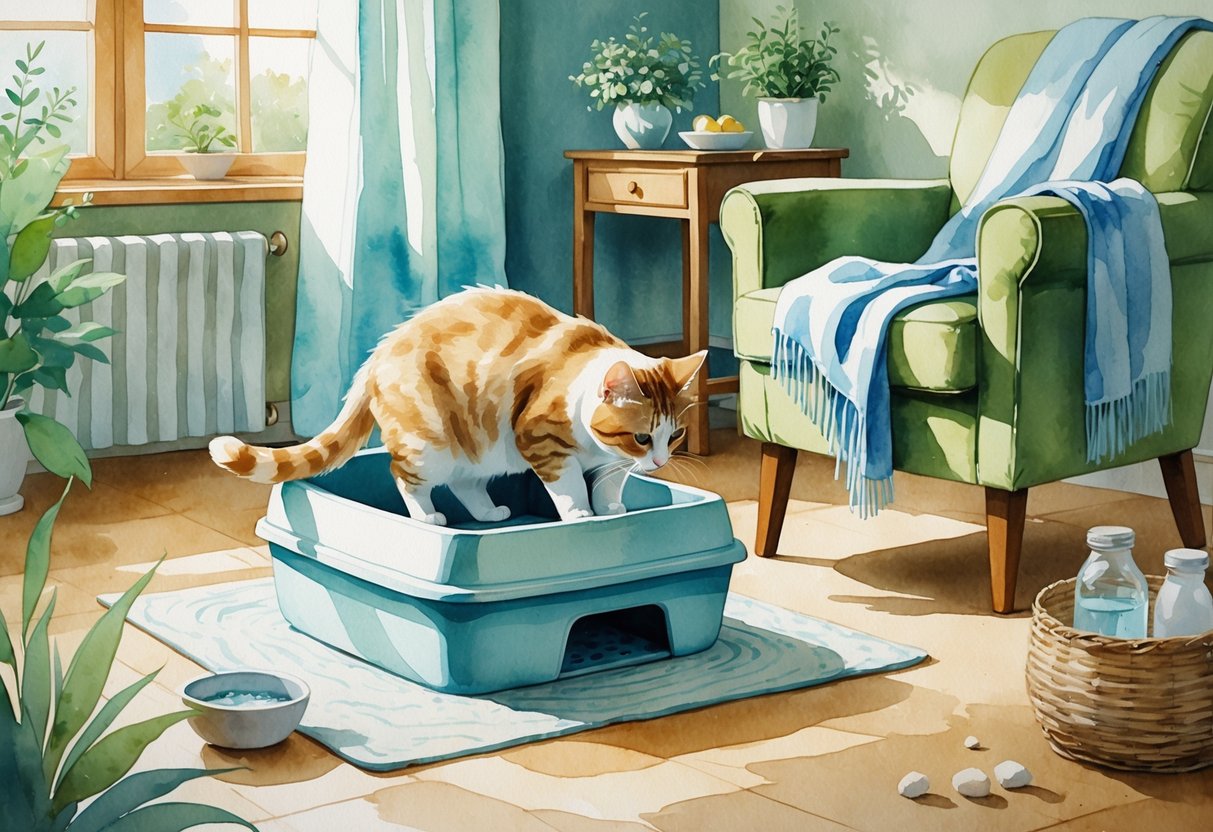
Small daily changes can help your cat’s digestion and make toileting easier. Try upping activity, keeping the litter box appealing, and making sure you have enough boxes around.
The Role of Exercise in Digestion
Physical activity keeps the gut moving and helps your cat pass stool more easily. Aim for two short play sessions (5–10 minutes) each day with toys that get your cat running or jumping—wand toys or laser pointers work well.
For older or overweight cats, stick to gentle walking games and short bursts to avoid overdoing it. Food puzzles can make your cat move while eating, which helps digestion and slows gulping.
Encourage climbing with a cat tree or shelves. Track litter box visits and stool consistency after a week to see if activity helps.
Preventing Litter Box Avoidance
If your cat avoids the litter box, constipation can get worse fast. Scoop daily and change litter weekly to keep things clean.
Use unscented, clumping litter—most cats prefer it. Avoid strong perfumes or dusty litter that can turn cats off.
Put boxes in quiet, low-traffic spots with easy access, especially for older cats. If your cat seems to hurt while using the box, get a vet check—avoidance might mean discomfort.
Offer one box per cat, plus one extra, to cut down on stress and competition.
Adding More Litter Boxes
More boxes mean more chances for your cat to go when needed. Stick to the rule: one litter box per cat, plus one extra.
Spread the boxes out in different rooms and on different floors. That way, your cat won’t have to trek far, especially late at night.
Pick a box size that suits your cat. Large, low-sided boxes work best for seniors or arthritic cats, while deeper boxes are great for kittens who love to dig.
Try out different litter types in separate boxes and see which one your cat seems to like. Keep an eye on which boxes get used most for a week.
If you notice a box isn’t getting much action, move it or add another nearby. Sometimes, cats just want more options.
Reducing Stress and Enhancing Wellbeing
Stress can slow digestion and make constipation worse. Tweak your cat’s routine and environment to help them chill out, drink more, and use the litter box normally.
Creating a Calm Home Environment
Stick to consistent times for feeding, play, and litter box visits so your cat knows what’s coming. Place at least one litter box per cat, plus an extra, in quiet, low-traffic areas.
Scoop boxes daily and use unscented clumping litter—most cats seem to prefer it. If you can, give your cat vertical spaces like shelves or a cat tree, so they can get away and watch the world from above.
Try short play sessions twice a day to get them moving and spark their appetite. Cut down on sudden loud noises—honestly, even moving a chair can stress some cats out.
If you have more than one pet, keep each cat’s food and rest areas separate. For seniors or cats with mobility issues, raise their food and water bowls and stick to low-entry litter boxes to make things easier.
Calming Products and Supplements
Plug in pheromone diffusers like Feliway where your cat hangs out most. They can help lower anxiety around litter boxes and meals.
Put one diffuser in each main living area and swap them out as the packaging suggests. If your cat seems a bit on edge all the time, you could try nutraceuticals like Zylkene (it’s a milk protein thing) for mild, ongoing stress.
It comes in capsules or liquid, and you can use it long-term—just follow your vet’s dosing advice. For bigger, more sudden stress, ask your vet about Solliquin. It’s got herbal extracts and L-tryptophan, and might take the edge off during vet visits, travel, or when there’s tension between cats.
Start any supplement slowly and keep an eye out for changes in appetite, stool, or behavior. Jot down what you try and when.
If constipation or stress signs stick around, check in with your vet.
Preventing Constipation in Cats
Keep your cat hydrated, feed them the right stuff, and make sure they move around. Little daily tweaks—more water, routine play, regular grooming—can really cut the risk of constipation and help your cat pass stool more easily.
Long-Term Management Strategies
Make water easy to get. Set out at least two clean water bowls in different spots, or try a fountain if your cat ignores bowls.
Switch to canned wet food, or add a splash (1–2 tablespoons) of water or low-sodium broth to meals to up their daily fluids. Adjust fiber with care.
You can offer plain canned pumpkin (not pie filling) or a vet-recommended high-fiber diet. Start slow and keep an eye on stool—too much fiber can backfire with gas or diarrhea.
Keep your cat at a healthy weight. Feed measured portions instead of leaving food out all day. If your cat needs to slim down, aim for slow, steady weight loss.
Try to squeeze in 10–15 minutes of active play twice a day to get their gut moving. Brush long-haired cats daily to cut down on hairballs.
Trim hair around their rear if it gets matted. Clean the litter area and set out multiple trays so your cat always has a place to go.
When to Seek Professional Guidance
Call your vet if your cat hasn’t passed stool for 48 hours. If your cat strains a lot, vomits, or seems uncomfortable, that’s another red flag.
These symptoms might mean dehydration, a blockage, or even megacolon—so your cat really needs an exam and some tests.
Bring along any notes you’ve kept about your cat’s diet changes, litter-box habits, water intake, and meds. Your vet might want to run bloodwork or do abdominal X-rays.
They could prescribe stool softeners, try an enema, or suggest a special diet.
If constipation keeps coming back more than twice in a few months, it’s worth asking about a long-term plan. Your vet can recommend a maintenance diet, maybe some probiotics, or even a regular laxative schedule to help head off future trouble.
