

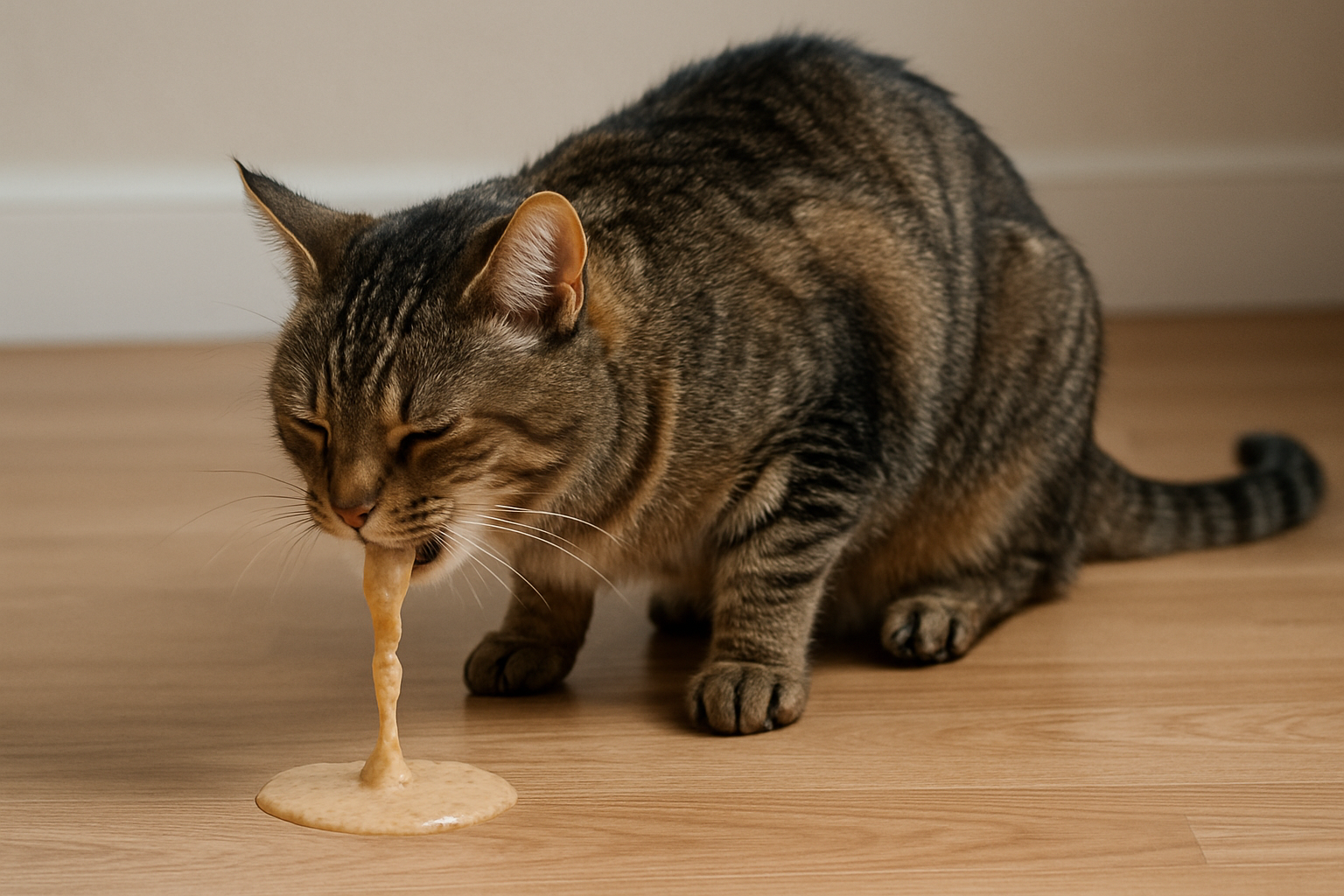
Cats throw up for all sorts of reasons—hairballs, eating too fast, or maybe their food just doesn’t sit right. You can often help at home with some gentle, safe tricks.
Try a short fast, a bland meal, regular grooming to cut down on fur swallowing, and mild remedies like ginger or slippery elm. These can calm nausea and help stop the vomiting.

This guide covers why cats vomit, which at-home fixes are safe, how to manage hairballs, and which foods or supplements might help. I’ll give you practical steps to try and signs that say, “Nope, time for the vet.”
Understanding Cat Vomiting
Cats vomit for a bunch of reasons—sometimes it’s nothing, sometimes it’s serious. If you watch for patterns, what the mess looks like, and when it happens, you’ll know when it’s time to worry.
Common Causes of Cat Vomiting
Some causes are pretty harmless, but others need quick action. Hairballs show up when your cat grooms and swallows fur; you’ll spot hair clumps in the mess.
Eating too fast or gobbling down too much food brings up undigested chunks. Sudden food changes or food intolerances can make your cat throw up after meals.
Poisons, plants, human meds, or spoiled food can cause sudden, scary vomiting—don’t wait on those. Parasites, infections, pancreatitis, kidney/liver disease, and certain cancers can make vomiting stick around.
If your cat just started new meds, check if vomiting is a listed side effect.
Recognizing Different Types of Cat Vomit
Check color, texture, and timing—it tells you a lot. Clear or foamy white stuff usually means nausea or an empty stomach.
Yellow or green puke? That’s bile from the small intestine. If you see undigested food, your cat probably ate too fast.
Brown or black vomit might mean blood—yikes, that’s serious. If there’s mucus or watery stool mixed in, think infection or gut irritation.
A hairball looks like a dense, ropey wad of fur. Notice if vomiting happens after meals, between meals, or all day long.
When to Seek Veterinary Care
Call your vet if your cat vomits more than twice in 24 hours, seems weak, drools, collapses, or you spot blood in the vomit. Vomiting with diarrhea, weight loss, dehydration, yellow gums or eyes, or refusal to eat or drink? That’s serious.
Kittens, seniors, and cats with health issues go downhill fast—don’t wait. Bring a fresh vomit sample if you can, and jot down when it happened, any food changes, meds, or possible poisons your cat could’ve reached.
Home Remedies for Cat Vomiting
There are a few easy things you can try at home to help your cat feel better and avoid dehydration. Focus on short fasting, bland foods, and keeping fluids steady.
Fasting and Stomach Rest
If your cat vomits once or twice but otherwise acts normal, skip food for 12–24 hours. Always leave fresh water out and watch for weakness, more vomiting, or refusal to drink.
Don’t fast kittens, old cats, diabetics, or those on meds without asking your vet.
During the fast, take away all food and treats. If your cat keeps vomiting or you see blood, pain, or lethargy, get to the vet.
After fasting, give small meals every 3–4 hours and see how it goes.
Bland Diet Options
Start with plain boiled, skinless chicken or turkey, or a bit of cooked white rice mixed with lean protein. Small cats get 1–2 tablespoons, bigger cats get 2–4 tablespoons, every few hours.
Skip dairy, fatty meats, spices, and seasonings.
Stick with the bland diet for a day or two, then slowly mix in your cat’s regular food over the next few days. If vomiting comes back, try a limited-ingredient or hypoallergenic food and call your vet.
Hydration and Electrolyte Support
Keep your cat drinking with small, frequent sips. If they won’t drink, offer ice cubes or use a syringe to give 1–2 ml per pound every few hours.
You can add a little unflavored electrolyte solution (like Pedialyte), diluted—1 part Pedialyte to 3 parts water—for a short time.
Watch out for low urine output, pale gums, or poor skin elasticity. If your cat refuses fluids or shows signs of severe dehydration (sunken eyes, sticky gums, collapse), get help fast.
Natural Remedies and Supplements
A few simple, vet-approved options might calm your cat’s stomach, help with hairballs, or add fiber to slow things down. Use the right dose, watch for side effects, and stop if things get worse.
Ginger Tea for Nausea Relief
Ginger can settle a queasy cat stomach in small doses. Make a weak tea—steep a thin slice of ginger in a cup of boiling water for 10 minutes, let it cool, then strain.
Give 1–2 teaspoons to a small cat, or up to 1 tablespoon for a big cat, once or twice max in 24 hours. Use a syringe or dropper and go slow.
Don’t force it if your cat turns up their nose. If you notice bleeding or more vomiting, stop right away.
Skip ginger if your cat’s on blood thinners or has clotting issues. If vomiting keeps up or your cat gets sluggish, call the vet.
Slippery Elm Bark Benefits
Slippery elm powder turns into a soothing gel in the gut and can calm irritation. Mix 1/8–1/4 teaspoon with a little warm water to make a paste.
Give it straight or mix into a small bit of canned food. Offer once or twice a day for a short stretch, and keep an eye on appetite and vomiting.
Don’t go overboard and stop if you see constipation or allergy signs. Ask your vet first if your cat’s pregnant or on meds—slippery elm can mess with absorption.
Pumpkin and Dietary Fiber
Plain canned pumpkin (not the pie stuff) adds fiber, helping move hairballs and firm up loose stool. Try 1/2 teaspoon for little cats, 1 teaspoon for bigger ones, mixed into food once a day.
Fiber can slow digestion and ease vomiting from hairballs or mild tummy trouble. If vomiting sticks around, use pumpkin just as a stopgap while you and your vet figure things out.
Don’t dump in a lot at once—too much fiber can cause gas or constipation. Track your cat’s poop and vomiting for a few days and stop the pumpkin if things get worse.
Managing Hairballs in Cats
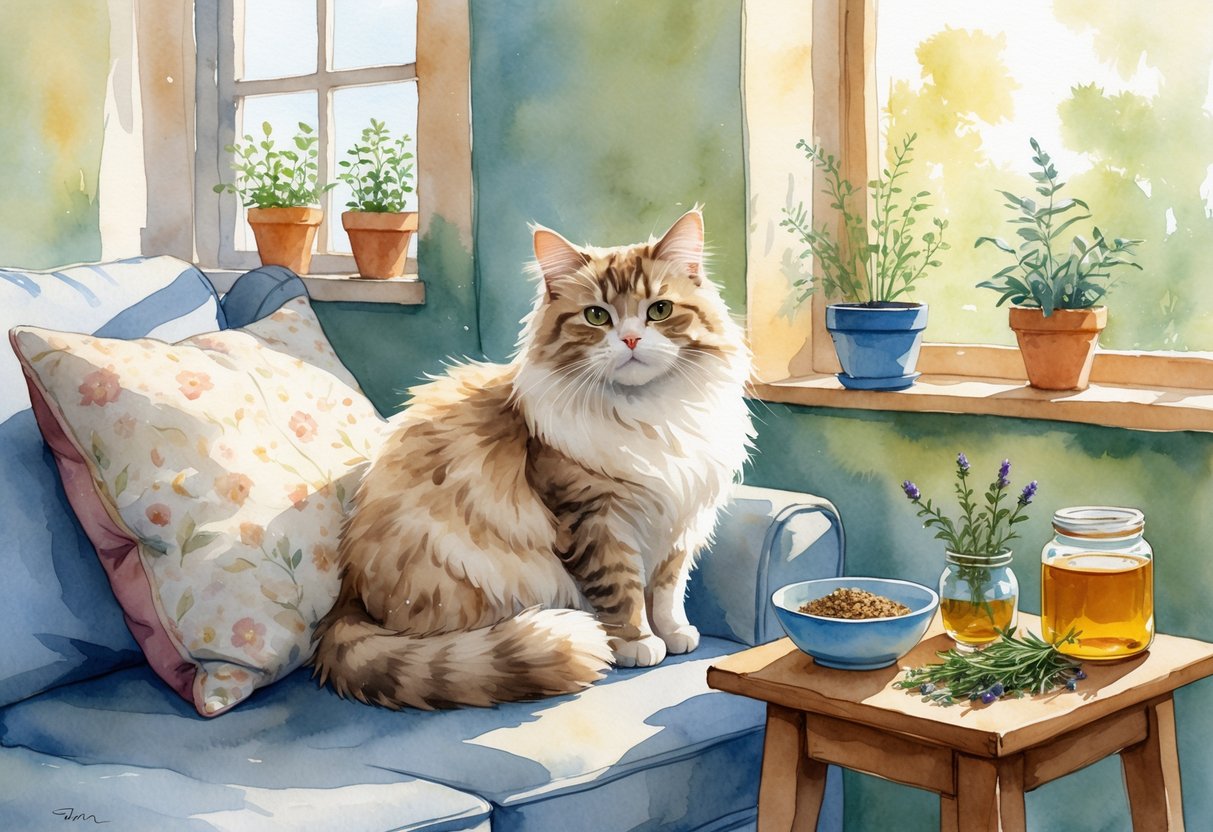
Hairballs happen when cats swallow fur while grooming, then hack or throw it up. You can cut down on vomiting by grooming, tweaking their diet, and using targeted products.
Hairball Prevention Strategies
Brush your cat daily if they shed a lot. Use a slicker brush or de-shedding tool to get rid of loose fur before your cat can eat it.
Keep sessions short—5 to 10 minutes—especially if your cat stresses easily.
Trim long fur, or get a pro groomer for long-haired breeds. Less fur means less swallowed hair.
Tackle overgrooming by treating fleas, anxiety, or skin issues. If your cat’s licking more than usual, talk to your vet.
Offer cat grass or safe chew toys for distraction. Keep houseplants out of reach to dodge toxic accidents.
Dietary Solutions for Hairballs
Switch to wet food at least once daily for more moisture and easier digestion. Wet food helps hair move through the gut and reduces hairball risk.
Add fiber like plain pumpkin (1 teaspoon for small cats, up to 1 tablespoon for big ones) to meals. Go slow to avoid diarrhea.
Try a commercial hairball-control food if hairballs are frequent. These usually have more fiber and moisture.
Watch your cat’s weight and appetite when changing food. Sudden food switches can trigger vomiting, so transition over a week or so and stop if things get worse.
Use of Commercial Hairball Remedies
Petroleum jelly–based pastes or lubricants can help hairballs pass. Dab a pea-sized blob on the paw or mix with food—just follow the label, and don’t use daily unless your vet says so.
Look for products with gentle oils or fibers. Check ingredients and dose by weight to avoid diarrhea or weight gain.
Use oral lubricants for a short time while you up your grooming and tweak the diet. If hairballs keep coming, or if your cat seems tired, stops eating, or vomits repeatedly, it’s vet time.
Diet and Feeding Recommendations
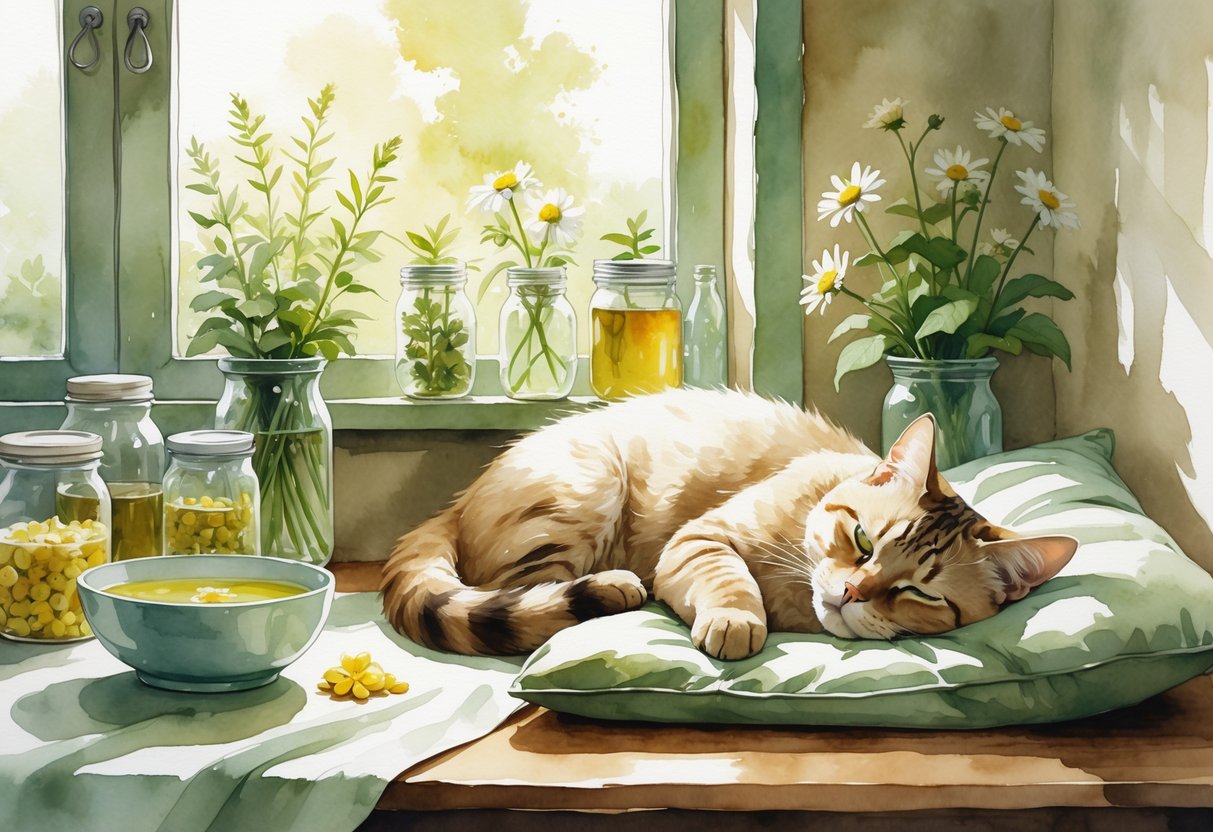
Change up meals and portions to give your cat’s stomach a breather. Make food switches gradual to avoid triggering more vomiting or food intolerances.
Meal Frequency and Portion Control
If your cat’s just thrown up once or twice but seems fine, feed small, frequent meals instead of two big ones. Try 3–6 small servings a day—each about a quarter to a third of the usual amount.
This helps prevent stomach overload and cuts down on bile reflux.
Use a scoop or kitchen scale so you’re consistent. For cats who gulp, try puzzle feeders or spread food out on a plate.
Kittens, seniors, and sick cats need close watching—they can get dehydrated or lose weight fast. If vomiting keeps up, call your vet.
Transitioning Diets Safely
Change food slowly over a week or so to avoid tummy trouble. Go 75% old food, 25% new for a couple days, then 50/50, then 25/75, then all new.
If vomiting pops up during the switch, slow down or pause and check with your vet.
Stick with bland foods if vomiting doesn’t stop: plain boiled chicken (no skin or spices) with white rice, or a vet-recommended GI formula. Skip dairy, fatty foods, and treats during recovery.
Supporting Cat Health at Home
Keep things calm at home and make tiny changes to cut down on vomiting triggers. Stick to routines, pick safe foods, and do what you can to keep your cat comfy and hydrated.
Reducing Stress and Environmental Triggers
Stress often pops up as nausea or vomiting in cats. If your cat starts throwing up, notice if new people, loud noises, or changes around the house happened recently.
Stick to consistent times for feeding, play, and litter box visits. Cats really rely on those predictable cues, and honestly, who can blame them?
Set up quiet zones with a soft bed and maybe a window view. Hiding spots like boxes or cat trees help too.
Try pheromone diffusers (like Feliway) in main rooms for short stints if your cat seems on edge. When you bring in new pets, visitors, or even just a new chair, let your cat take their time exploring.
Scan your home for physical triggers. Block access to houseplants, strings, and small objects—these can cause gagging or stomach issues.
Switching to slow-feed bowls or splitting meals can help curb fast eating. That alone can cut down on vomiting more than you’d think.
Hydration Maintenance
Dehydration just makes vomiting worse, honestly. Keep an eye on how often your cat drinks, and if you can, weigh them once a week.
If you notice your cat has lost 5–10% of their body weight, that’s a red flag for fluid loss.
Put fresh water in a few spots around the house. Some cats love pet fountains, so you might want to try that to get them interested.
If plain water isn’t cutting it, add a splash of low-sodium chicken broth (but skip the onion and garlic). After your cat throws up, offer ice chips or give water with a syringe—just 5–10 ml every 10–15 minutes.
If your cat keeps vomiting and just can’t keep fluids down, call your vet. They might suggest subcutaneous fluids or want to check for the reason behind all that vomiting.
