

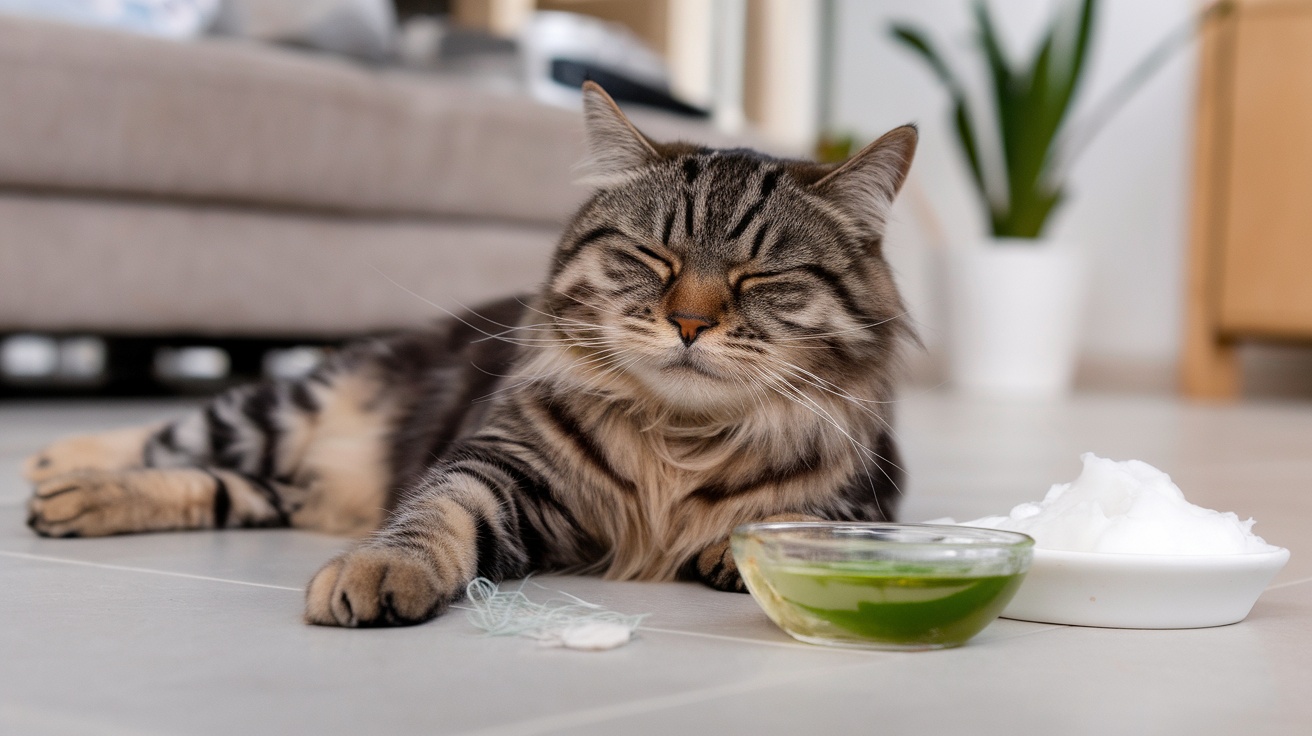
Hairballs can feel like a never-ending mess, but you can cut their frequency and make them easier for your cat to pass with simple, natural steps at home. Brush your cat regularly, boost hydration and fiber, and add a few safe supplements or treats to help loosen and move trapped fur.
You’ll also learn how to spot when a hairball is just an annoyance versus when it could be dangerous. There are gentle behavior and diet changes that can stop the problem before it starts.
This article covers causes, signs to watch for, natural remedies that work, helpful products and foods, and when you should call the vet so you can act with confidence.
What Are Cat Hairballs?
Hairballs form when your cat swallows loose fur during grooming. That fur collects in the stomach and sometimes gets coughed up as a wet, tubular mass.
Sometimes, you’ll notice changes in appetite or digestion if the hair stays inside.
Common Causes of Hairballs
Cats groom themselves with a barbed tongue that pulls loose fur into the mouth. Short grooming sessions remove surface hair.
Heavy shedding or long grooming bouts let more hair pass into the stomach. Long-haired breeds and cats in seasonal molt shed the most, which means they’re more likely to get hairballs.
Overgrooming also causes extra hair intake. Stress, skin irritation, fleas, or boredom can make your cat lick more than usual.
Diet and hydration matter too. Low-fiber diets and dry food can slow gut movement, making it harder for swallowed hair to pass through the intestines.
What Is a Trichobezoar?
A trichobezoar is just the medical name for a hairball. It’s a compact ball of fur mixed with mucus and sometimes food that sits in the stomach or intestines.
Small trichobezoars are common and cats usually pass or vomit them without help. Larger trichobezoars can block the digestive tract.
Signs of a problematic trichobezoar include repeated retching without producing a hairball, loss of appetite, weight loss, constipation, or lethargy. Your vet can diagnose a trichobezoar by exam, X-ray, or ultrasound and recommend treatment like hydration, lubrication, or surgery in severe cases.
Risk Factors for Developing Hairballs
Breed and coat type matter a lot. Long-haired cats like Maine Coons or Persians and cats with thick undercoats swallow more fur.
Age plays a role too. Kittens groom less, while older cats may have slower digestion that allows hair to clump.
Lifestyle and health add risk. Indoor cats often shed year-round.
Poor grooming or obesity can prevent proper fur removal. Skin problems, fleas, or anxiety increase licking.
Low-fiber diets, dehydration, and slow gut motility raise the chance that swallowed hair will form trichobezoars rather than pass normally.
Symptoms and Dangers of Hairballs
Your cat may show clear signs when hairballs form or cause trouble. Watch for repeated coughing, changes in appetite, and unusual stool or vomiting patterns to spot problems early.
Hairball Symptoms to Watch For
Coughing or gagging that produces a clump of fur is the most obvious sign. You may see a wet, tubular hairball or dry, crumbly pieces after a retch.
Look for changes in eating and litter-box habits. If your cat eats less, strains to defecate, or has smaller, harder stools, hair may be blocking the gut.
Also watch for lethargy, drooling, or repeated licking of the mouth.
Note frequency. Occasional hairballs are common, but frequent episodes (more than a few times a month) suggest excess shedding, overgrooming, or a diet problem that needs attention.
Are Hairballs Dangerous?
Most hairballs pass without serious harm. They can become dangerous if they block the digestive tract.
A blockage can stop food and water from moving, causing vomiting, dehydration, and pain. Serious signs include continuous vomiting, inability to pass feces, a bloated or tender belly, and rapid weight loss.
These signs point to a possible intestinal obstruction that can be life-threatening and often needs surgery. Certain cats face higher risk: long-haired breeds, cats that overgroom from stress, and older or less-active cats with slower gut movement.
When to Consult a Veterinarian
Call your veterinarian right away if your cat vomits repeatedly, won’t eat for 24 hours, or shows signs of pain or severe lethargy. These are red flags for blockage or other serious conditions.
Bring a sample of the hairball or a short video of the gagging episode if possible. Your vet may examine the abdomen, take X-rays, or run blood tests to check for dehydration and obstruction.
Ask the vet about diet changes, fiber supplements (like pure canned pumpkin), and grooming plans. If your cat has frequent hairballs, schedule a checkup to rule out underlying issues such as parasites, skin problems, or behavioral overgrooming.
Natural Remedies for Cat Hairballs
You can reduce hairballs by adjusting your cat’s food, increasing their water, and using safe lubricants or supplements. Each option targets how hair moves through the gut so your cat vomits or passes less often.
Dietary Adjustments and Fiber
Switch some meals to wet food to raise moisture and reduce dry-kibble dust that can mat with fur. Look for hairball control cat food labeled with added fiber; it often contains beet pulp, psyllium, or other soluble fiber to help move hair through the intestines.
Add a teaspoon of plain canned pumpkin (not pumpkin pie filling) to meals two to three times weekly. Pumpkin provides soluble fiber and moisture and is safe for most cats in small amounts.
If your cat is overweight or has special health needs, talk to your vet before changing calories or fiber levels. Gradually introduce any new food over 7–10 days to avoid stomach upset.
Monitor stools and grooming to judge whether the change helps.
Increased Hydration
Wet food is the fastest way to boost daily water intake because it contains about 70–80% moisture. If your cat resists wet food, try mixing a small amount into dry kibble or offering low-sodium chicken or beef broth (no onion or garlic).
Place multiple water bowls around the house and use a pet fountain; many cats prefer moving water. Add ice cubes or change water daily to keep it fresh.
For cats that still drink little, ask your vet about safe fluids or subcutaneous fluids in unusual cases. Proper hydration softens the gut contents and helps hair pass without forming tight, thick hairballs.
Natural Lubricants and Supplements
Small amounts of edible lubricants can ease hairball passage. Hairball gel products (like Laxatone-style gels) are safe when used per label directions.
Petroleum jelly works in a pinch: smear a pea-sized amount on the cat’s paw so they lick it off. Use sparingly and not daily long-term without vet approval.
Consider natural supplements: a teaspoon of lecithin from egg yolk or soy can act as an emulsifier. Omega-3 supplements (fish oil) may improve skin and coat health, lowering shedding.
Fiber supplements such as psyllium husk can be mixed into food, but dosing must match cat size. Always check doses with your vet and avoid human laxatives or any product containing xylitol or other toxic ingredients.
Preventing Hairballs in Cats
You can cut down on hairballs by brushing, changing diet, and lowering stress. Focus on removing loose fur, keeping your cat hydrated and fiber-balanced, and preventing overgrooming from anxiety.
Basic Grooming Techniques
Brush your cat daily if it has medium or long fur. Short-haired cats benefit from brushing 2–3 times a week.
Use a de-shedding tool like a Furminator or a slicker brush to remove loose undercoat before your cat swallows it. Start with short sessions of 3–5 minutes so your cat learns to enjoy grooming.
Check for mats and gently work them out with a comb or dematting tool; cut only if you know how or ask a groomer. Wipe the mouth and chin after brushing to remove loose hairs.
Bathing rarely helps unless your cat tolerates it. Instead, use wet wipes made for cats to lift stray hairs.
Keep nail trims and regular vet checks up to date to spot skin or coat problems that increase shedding and hairball risk.
Minimizing Excessive Grooming
Watch for signs of overgrooming: bald patches, scabs, or frequent licking of one area. If your cat grooms more than normal, rule out fleas, allergies, or skin infections with a vet visit.
If the behavior is stress-related, try limiting triggers like loud noises or sudden household changes. Offer alternatives such as soft fabric toys to chew and playtime to redirect attention away from licking.
Consider dietary changes to manage hairballs: add wet food for moisture, mix in a small amount of canned pumpkin for fiber, or talk to your vet about fiber supplements or hairball formulas. Use a tiny dab of petroleum jelly or vet-approved lubricants rarely, only under guidance.
Environmental Enrichment for Stress Reduction
Give your cat vertical space with shelving or tall cat trees so it can retreat and feel safe. Place scratching posts near windows and high-traffic areas to encourage natural scratching and reduce boredom.
Rotate toys weekly and schedule at least two 10–15 minute play sessions daily to burn energy and reduce stress-driven grooming. Use puzzle feeders to slow eating and provide mental stimulation that lowers compulsive licking.
Provide a clean, quiet litter area and steady routines for feeding and play. A consistent environment plus enrichment lowers anxiety, which in turn helps you manage hairballs and reduce the need for frequent grooming.
Specialized Hairball Products and Foods
Products that target hairballs work in three main ways. They lubricate the gut to help trapped hair pass, add fiber to move hair through the intestines, or reduce loose hair through grooming and hydration tools.
Choose options based on your cat’s eating habits, age, and tolerance for supplements.
Hairball Treats and Chews
Hairball treats and chews usually contain lubricants like petroleum jelly alternatives, soluble fiber, or oils to ease hair passage. Give these as directed on the package—most are tasty and designed for daily or every-other-day use.
Look for treats with clear ingredient lists: soluble fiber (psyllium or beet pulp), short-chain triglycerides (coconut oil), or palatable lubricants.
Avoid treats with excess sugar, artificial colors, or unknown “proprietary blends.” Treats help short-term management and are easiest to use for picky cats.
Monitor stool and vomiting after starting treats. If your cat shows worsening gagging, stop and consult your vet.
Purpose-Built Hairball Control Foods
Hairball control foods change up your cat’s diet to help prevent hair from building up in the gut. These formulas bump up both soluble and insoluble fiber, add extra moisture in wet varieties, and sometimes toss in omega-3s for a healthier coat.
If your cat’s mostly on dry food, try a wet hairball formula. Wet food helps your cat drink more water and softens their stool, which makes it easier for hair to pass.
For dry kibble, look for brands that actually say “hairball control” and call out fiber sources like pumpkin, beet pulp, or cellulose.
Switch foods slowly over a week or so. Keep an eye on calories—nobody wants an overweight cat—and watch for changes like softer stools.
Water Fountains and Feeding Accessories
A cat water fountain can really boost water intake, since so many cats love moving water. More hydration usually means softer stools and, hopefully, fewer hairballs.
Try setting up the fountain away from the litter box and food dishes. That seems to encourage cats to use it more.
If your cat gulps food, maybe try a raised bowl or a slow-feed dish. Raised bowls can help older cats with posture and might cut down on regurgitation.
A shallow, wide dish is great for whisker comfort—some cats get weird about deep bowls.
Wash fountains and bowls every week to keep bacteria and gunk from building up. Swap out filters as the manufacturer suggests to keep the water appealing.
When to Seek Veterinary Care
If your cat keeps vomiting, won’t eat, or acts really tired, it’s time to call the vet. Regular check-ups are honestly worth it—they catch issues early and help you treat things safely.
Hairball Blockages and Complications
If your cat keeps gagging but can’t cough up a hairball, or if vomiting drags on for more than a day, ring your vet right away. A real blockage stops food and water from moving through, leading to dehydration, belly pain, and sometimes fast breathing.
The vet will feel your cat’s belly, maybe order X-rays or an ultrasound, and probably run some bloodwork to check for dehydration or organ issues.
Treatment could be fluids and meds to get things moving, or, if the hairball’s really stuck, maybe endoscopy or even surgery. Please don’t try home fixes like big doses of petroleum jelly or human laxatives without talking to your vet first. Moving quickly makes a huge difference—it lowers the risk of complications and helps your cat recover faster.
The Role of Regular Check-Ups
Bring your cat to routine exams at least once a year. If your cat’s older or has long hair, you’ll probably want to go even more often.
At these check-ups, the vet checks body condition and hydration. They’ll also look over your cat’s teeth and keep an eye out for grooming-related skin issues that could bump up hairball risk.
Vets often suggest diet tweaks or fiber supplements. Sometimes, they’ll recommend hairball gels or treats that fit your cat’s needs.
Jot down how often you notice hairballs, any changes in stool, or shifts in your cat’s appetite. Sharing this info during visits really helps.
Don’t skip regular vaccinations and parasite checks. Those steps support gut health, which—let’s be honest—makes hairball hassles less likely down the road.
