

If your cat’s eyes look watery, crusty, or you spot colored gunk, you can try a few simple things at home. Gentle saline rinses, warm compresses, and careful cleaning often help clear up mild discharge and keep your cat comfortable.
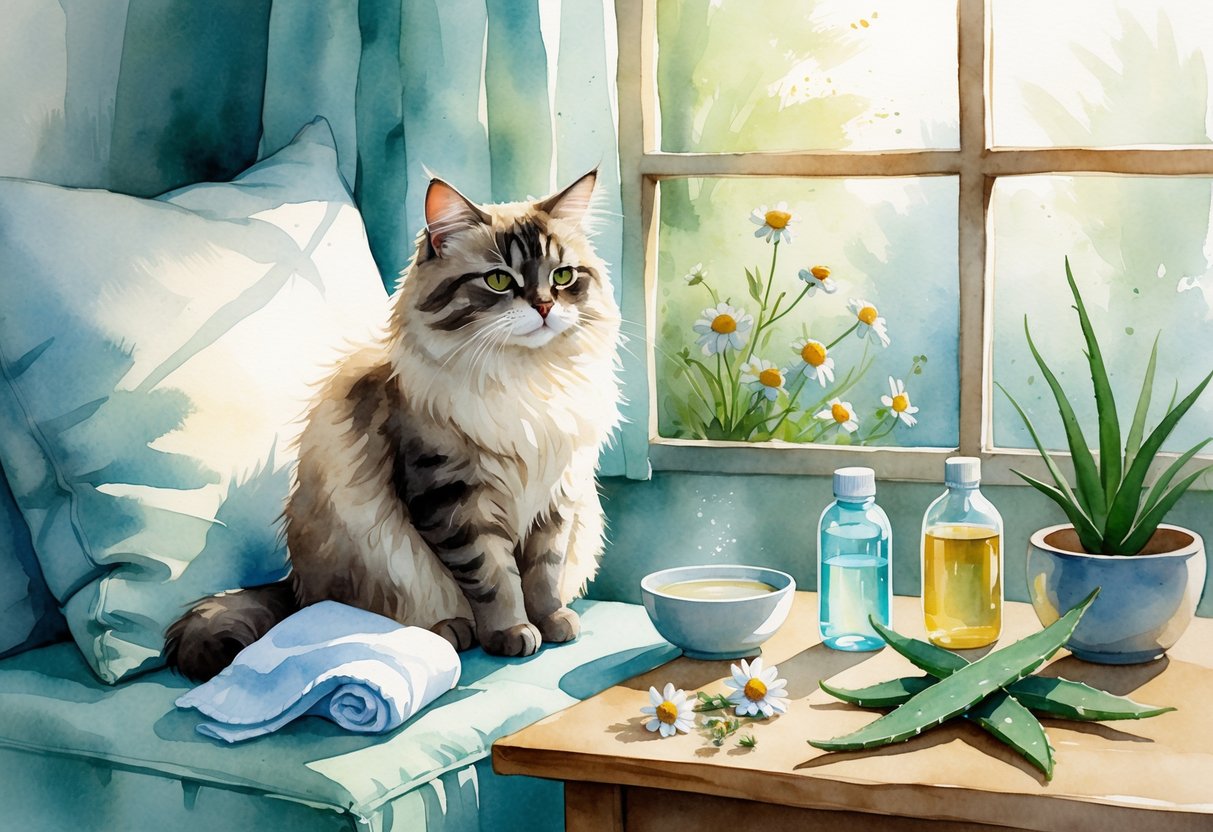
Let’s talk about spotting when discharge is serious, which natural supports might help, and when it’s time to stop the home remedies and call a vet. The tips here focus on safe techniques you can try right away and practical ways to protect your cat’s long-term eye health.
Understanding Cat Eye Discharge
Let’s go over what usually causes discharge, how to spot the difference between normal and worrisome signs, and what can happen if you let infections or other problems linger.
Common Causes of Eye Discharge
Eye discharge in cats can pop up from allergies or infections. Stuff like pollen, dust, or even household cleaners often brings on clear, watery tears and a little rubbing.
Viral infections, like feline herpesvirus, usually cause watery to sticky discharge and sneezing. Bacterial infections tend to make thicker, yellow or green pus.
Physical irritants cause issues too. A stray hair, dust, or a weird eyelid shape can scrape the eye and make it water.
Conjunctivitis (pink eye) and blocked tear ducts are also pretty common. Kittens and older cats get discharge more often since their immune systems or tear drainage don’t always work great.
Pay attention to timing and whether it’s one or both eyes. One eye with thick pus might mean infection or something stuck. Both eyes with clear tears? That’s more likely allergies or a virus.
Recognizing Normal vs. Abnormal Discharge
Normal discharge is small, clear, and usually shows up after sleep. You might spot a thin crust at the inner corner that comes off with a gentle wipe.
If the discharge is thick yellow or green, constant tearing, bloody, cloudy, or the eye looks swollen or super red, that’s not normal. If your cat squints, blinks a lot, or keeps the eye closed, there’s probably pain.
Any discharge that sticks around more than 48 hours or gets worse means it’s time for a vet. At home, check color, amount, smell, and if it’s one or both eyes. Watch for breathing symptoms too, since sniffly noses and watery eyes often go together.
Possible Health Risks from Untreated Discharge
Letting eye discharge go untreated can let infection spread. Bacterial and viral bugs might reach deeper into the eye, causing ulcers or scarring.
That scarring can mess with vision or cause chronic pain. Blocked tear ducts or constant irritation might lead to repeated infections.
In really bad cases, untreated eye disease can cause permanent vision loss. Sometimes, a respiratory infection that started in the eye spreads to the sinuses or lungs, especially in kittens or senior cats.
If you see thick, smelly, or bloody discharge, or your cat seems in pain, tired, or has trouble breathing, don’t wait—call the vet. Quick treatment definitely helps prevent lasting problems.
Identifying Underlying Conditions
You’ll want to figure out what’s causing the discharge so you know if you can handle it at home or need the vet. Look at the color and thickness, if it’s one or both eyes, and whether your cat’s sneezing, coughing, or skipping meals.
Cat Conjunctivitis and Pink Eye
Conjunctivitis is when the lining around the eye gets inflamed. You’ll usually see redness, squinting, and sticky, yellow or green gunk.
Sometimes, just one eye gets goopy; other times, it’s both. If it’s just a little watery and the eye’s only a bit pink, you can try gentle saline rinses.
But if you see thick, colored pus or the eye gets worse quickly, call your vet. Conjunctivitis can come from allergies, bacteria, or viruses.
If your cat paws at the eye, the eyelids swell, or you spot an ulcer, get to the vet fast. Those can turn serious in a hurry.
Feline Upper Respiratory Infection
Upper respiratory infections (URI) often bring watery eyes and a clear or cloudy nose. You’ll notice sneezing, stuffiness, less appetite, and tiredness, along with eye issues.
With a URI, eye discharge is usually watery or a little mucousy, and both eyes get it. Try to keep your cat warm and encourage drinking.
Saline rinses help clean the eyes, and a little steam from a warm shower (not hot!) can help with breathing. If your cat stops eating, has a hard time breathing, runs a fever, or the discharge turns thick and colored, head to the vet.
Feline Herpesvirus Impact
Feline herpesvirus (FHV-1) is notorious for causing ongoing or repeat eye problems. You might see clear watery discharge, pink eye, ulcers, and flare-ups when your cat’s stressed or sick.
Herpes eye problems often start with a URI, then just keep coming back. Your vet might recommend antiviral drops, oral meds, or lubricants.
If your cat’s eyes keep getting red or crusty, regular checkups and treatment can help keep things from getting worse. Stress, crowded spaces, or other illnesses can trigger flare-ups, so try to keep things calm.
Other Infectious Causes
Bacteria, chlamydia, mycoplasma, and parasites also cause eye infections. Bacteria usually mean thick yellow-green pus, while chlamydia brings stubborn pink eye and sometimes a sniffle.
If you see thick, colored gunk, swelling, or things get worse quickly, your cat probably needs prescription meds. Parasites or foreign bodies need special treatment.
Don’t use human eye meds—stick to vet-approved stuff or basic saline rinses while you wait for a diagnosis.
Safe Cleaning Techniques at Home
You’ll need clean supplies and a gentle hand to clear away crust and discharge without stressing your cat out. Work slow, use fresh items, and if the eye’s really red, cloudy, or full of thick pus, stop and call your vet.
Preparing Your Cleaning Materials
Before you start, grab distilled or sterile saline, a handful of cotton balls or gauze pads, clean towels, and a syringe or dropper if you’ll flush the eye. Use a new cotton ball or gauze for each wipe.
Avoid cotton swabs and tissues—they leave fibers behind. To make saline, dissolve 1 teaspoon of salt in 1 cup of warm distilled water, then let it cool to lukewarm.
If you buy saline, check the date. Keep things like disinfectants, alcohol, or human eye drops far away from your cat’s eyes.
Wash your hands and take off rings or watches that might scratch. Sit somewhere you can gently hold your cat—maybe your lap or a table with a towel. If your cat’s squirmy, have someone help hold them.
Step-by-Step Eye Cleaning
Start by calming your cat and holding them gently. Moisten a cotton ball or gauze with lukewarm saline, squeezing out extra so it’s not soggy.
Wipe from the inner corner of the eye outward, one smooth motion. Use a fresh cotton ball for each pass.
If there’s hard crust, lay a damp gauze over the closed eye for about a minute to soften things up. If you need to flush, fill a syringe with saline and gently squirt from the inner to outer corner, supporting the head.
Don’t press on the eyeball. If the eye gets redder, cloudy, or you see thick pus, stop and call your vet. That’s not something you want to mess around with at home.
Preventing Cross-Contamination
Always use a fresh cotton ball or gauze for each eye and each wipe. Don’t reuse pads between eyes—it just spreads germs.
Toss used cotton and gauze right away. Wash your hands after cleaning.
Disinfect any reusable tools and wipe down the area where you worked. If your cat shares bedding or carriers, wash those in hot water and soap.
If other cats start showing eye discharge, separate them and call the vet. Contagious causes spread fast in homes with lots of cats.
Effective DIY Remedies for Cat Eye Discharge
Let’s keep it simple: these methods focus on cleaning, soothing, and easing mild irritation at home. Use clean tools, gentle motions, and stop if your cat seems in pain or things get worse.
Saline Solution Rinse
Mix 1 teaspoon of non-iodized salt in 1 cup of warm distilled water. Stir until it’s dissolved.
Use a clean syringe or dropper and warm the solution to about body temp. Hold your cat gently, tip its head up, and put 1–2 drops in the eye, or moisten a cotton ball and wipe outward.
Repeat a couple times a day to clear away debris and thin discharge. Never force the eye open or use tap water, peroxide, or human drops.
If you see thick yellow/green pus, redness, or your cat fights you, stop and call the vet.
Warm Compress Application
Warm compresses loosen crusts and help with blocked ducts or mild irritation. Soak a clean cloth in warm (not hot!) water, wring it out, and test it on your wrist.
Hold the cloth against the closed eyelid for 3–5 minutes. Do this a few times per session, two or three times a day.
Afterward, use a saline-moistened cotton ball to wipe away softened gunk. Always use a fresh cloth for each eye.
If swelling, pain, or thick colored discharge shows up, stop and see your vet.
Chamomile and Herbal Compresses
Chamomile or green tea can calm mild inflammation when you use them as a lukewarm compress. Steep a tea bag in boiling water for about three to five minutes, then let it cool down until it’s just warm and squeeze out the extra liquid.
Place the tea bag over your cat’s closed eye for a couple of minutes. You can also dip a sterile gauze in cooled tea and gently apply it.
Repeat this twice a day if your cat’s eyes look red or irritated. Just don’t put herbs directly in the eye—stick with plain, unsweetened tea bags only.
Skip adding oils or extracts. If you notice thick, colored mucus, your cat pawing at the eye, or vision changes, it’s time to call your vet.
Holistic & Natural Support Options
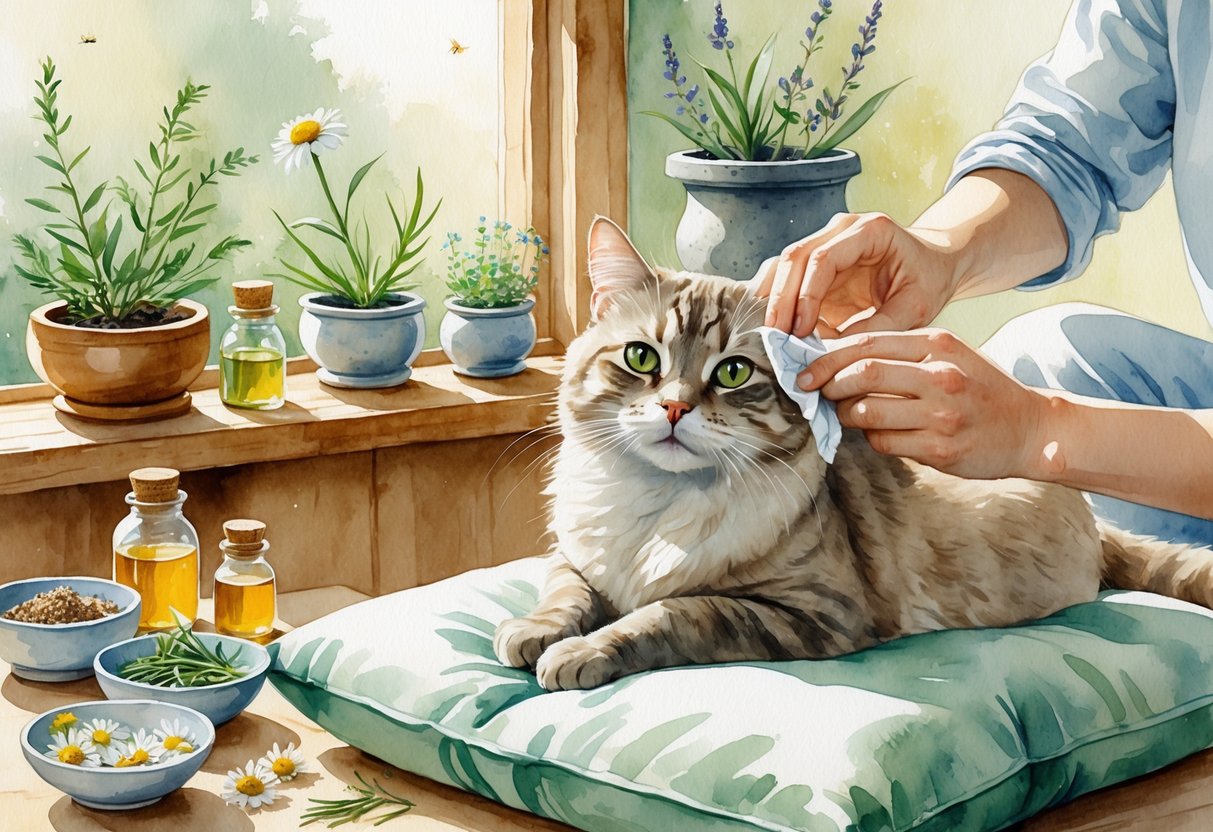
Some folks like gentle, plant-based care, supplements, or diet tweaks to help with inflammation and boost the immune system. These ideas work best alongside vet care, especially if your cat’s dealing with feline herpesvirus or upper respiratory stuff.
Coconut Oil and Honey Applications
Coconut oil can help soothe dry skin around the eyes and slow down bacterial growth. Warm up a tiny bit until it’s liquid, then dab a pea-sized amount on the fur around the eye—never inside the eye.
Use a clean finger or cotton swab and gently wipe outward from the inner corner to clear away crusts. Doing this once a day is usually enough.
Medical-grade honey, like Manuka, has mild antimicrobial effects if you use it outside the eye. Smear a tiny bit on crusty lashes or the eyelid margin, not inside, and rinse it off after ten or fifteen minutes with sterile saline.
If your cat fights you or the area looks worse, just stop. Don’t use raw honey, and skip honey altogether if your cat has diabetes.
Herbal and Supplement Approaches
Some herbs and supplements might help with chronic issues like feline herpesvirus or those annoying upper respiratory infections. L-lysine pops up in a lot of cat supplements—some vets recommend it, though honestly, the proof is a bit all over the place.
Only use products made for cats and stick to the dosing on the label or your vet’s advice. Calendula or chamomile work well as cooled compresses to bring down inflammation.
Steep the tea, let it cool, soak a clean cloth, and put it over closed eyes for a minute or two. Skip concentrated tinctures and never mess with essential oils near your cat.
Always double-check herb safety for cats, and if you see any irritation, stop right away.
Dietary Support and Immune Boosters
Feeding your cat a balanced diet really helps them fight off infections. Go for a high-quality, complete food with real animal proteins and taurine.
Wet food keeps them hydrated, which is great for the nose and eyes. Omega-3 fatty acids, like fish oil made for cats, can lower inflammation if you stick to the right dose.
Probiotics designed for cats might support their immune system, especially after antibiotics. Always talk to your vet before starting supplements—some conditions need medication, and a few supplements can mess with prescriptions.
When to Seek Veterinary Care
If your cat’s symptoms look bad, don’t wait around. Acting quickly can save their sight and spare them pain.
Warning Signs of Serious Eye Conditions
Watch for thick yellow or green discharge, big swelling, or if the eye looks cloudy or bluish. That’s usually a sign of infection, corneal ulcer, or glaucoma—and you’ll need vet care.
If your cat squints all the time, paws at their eye, or hates the light, treat it like an emergency. Sudden blindness, blood in the eye, or both eyes turning red and swollen? Get help fast.
Also keep an eye out for systemic signs: fever, loss of appetite, sneezing, or nasal discharge. These point to viruses or bacteria that need prescription meds.
Don’t sit on severe symptoms for more than a day or two.
Risks of Home Remedies and Delayed Treatment
Household fixes like undiluted honey, alcohol, or essential oils can actually burn your cat’s eye or make infections worse. Even rinsing with dirty water can introduce new bacteria.
If you wait too long for vet care, you risk corneal ulcers, permanent scarring, or vision loss. Mild conjunctivitis might clear up, but deep ulcers or foreign bodies won’t—they can get bad fast.
Trying to handle recurring eye gunk or herpesvirus by yourself usually doesn’t work out. Getting a professional involved lowers the risk and helps avoid endless infection cycles.
Veterinary Diagnosis and Treatment Options
Vets check your cat’s eye with a bright light and magnifier, and they might use fluorescein stain to spot corneal ulcers. They can also take swabs or run blood tests if they think it’s viral or bacterial.
Treatment often means prescription eye drops—antibiotic or antiviral—or oral meds. For the tough cases, surgery or special ointments might be necessary.
Your vet will give you a clear aftercare plan: how often to use drops, how to clean the eye, and when to come back for a check. Follow their instructions to keep your cat comfortable and protect their vision.
Prevention and Long-Term Eye Health
Keep your cat’s eyes clean, cut down on household irritants, and support their immune system. Little habits and regular vet visits go a long way toward preventing bigger problems.
Regular Eye Cleaning Routines
If your cat has minor discharge or just got over an illness, clean their eyes once every day. Use sterile saline or a soft, damp cloth.
Always wipe from the inner corner outward, and use a fresh cloth for each eye so you don’t spread stuff around. If crusts build up, soak a clean cloth in warm water and gently hold it on the eye for half a minute before wiping.
Never use hydrogen peroxide, alcohol, or human eye drops. If you have to use a product, pick preservative-free saline made for eyes.
Keep an eye out for thick yellow or green discharge, squinting that won’t quit, cloudiness, or if one eye looks worse. These could mean conjunctivitis, corneal ulcers, or another infection that needs a prescription.
Creating a Low-Irritant Environment
Cut down on airborne irritants that make your cat’s eyes water or itch. On high pollen days, close the windows. HEPA filters help with dust and dander, and it’s smart to avoid smoke or strong cleaners near your cat.
Wash bedding and clean litter areas every week to reduce dust and germs. Keep food and water away from litter boxes and dusty spots to protect their eyes.
If you have more than one cat, separate any cat with sneezing or eye discharge until the vet says it’s safe. For breeds with long fur around their eyes, like Persians or Himalayans, trim the hair and groom daily to prevent irritation and chronic eye issues.
Strengthening Overall Feline Health
Feed your cat a balanced diet that includes enough taurine and omega-3s. These nutrients help keep their eyes and immune system in good shape.
Stick with high-quality commercial cat food, or ask your vet about supplements if you think something’s missing. It’s honestly not a great idea to guess doses on your own.
Stay on top of vaccinations and make sure your cat gets annual vet checkups. That’s one of the best ways to lower the risk of viral eye diseases, like feline herpesvirus.
Try to keep stress levels low and avoid overcrowding. Stress can really set off chronic conjunctivitis or herpes-related eye flare-ups.
If your cat starts sneezing, has a runny nose, or just seems off their food, act quickly. Treat upper respiratory symptoms right away so you don’t end up dealing with a secondary eye infection.
Always follow your vet’s instructions for antibiotics or antivirals, and finish the full course. If things aren’t getting better in two or three days, bring your cat back in—don’t just wait it out.
